
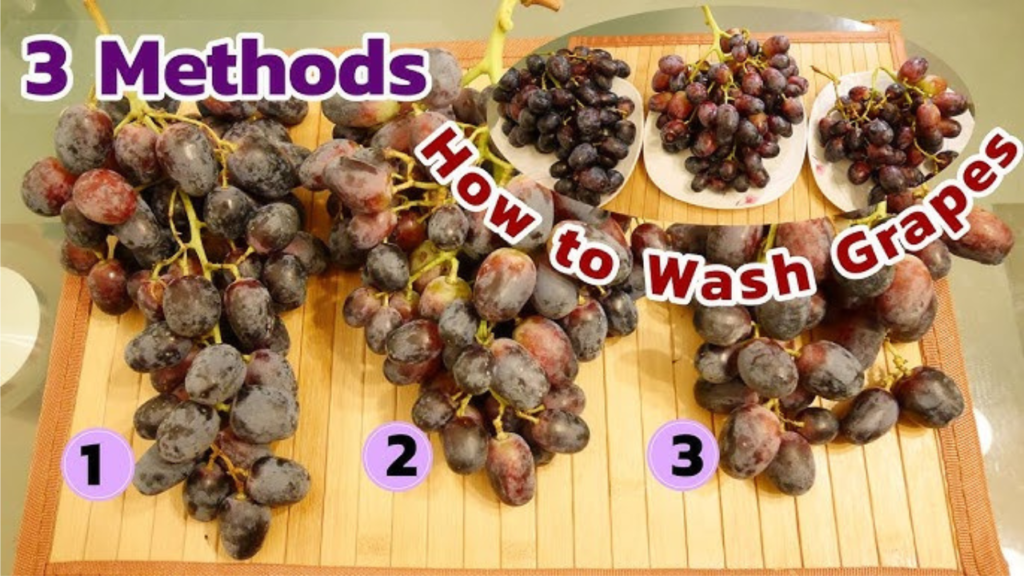
You’ve just brought home a beautiful bunch of grapes, but you notice that dull, white waxy film on the skin. Or worse, you’re thinking about the hidden pesticides and dirt that a quick five-second rinse under the tap just won’t touch. If you’ve ever wondered how to clean grapes properly, you aren’t alone—water alone often isn’t enough to get that “squeaky clean” snap.
The secret to perfectly clean grapes lies in breaking down that waxy “bloom” and neutralizing residues without damaging the fruit. Whether you prefer using pantry staples like vinegar or the power of baking soda, getting your fruit clean is easier than you think.
In this guide, we’ll walk you through the most effective, science-backed methods to ensure every bite is fresh, safe, and delicious.
Key Takeaways
- Wash Right Before Eating: Moisture causes grapes to spoil rapidly, so only wash what you plan to eat immediately.
- The Baking Soda Powerhouse: A simple soak in baking soda is one of the most effective ways to remove pesticide residue.
- Vinegar for Bacteria: Use a vinegar solution to kill lingering bacteria and mold spores for a longer shelf life.
- Understand the “Bloom”: That white powdery film is a natural wax called bloom; it’s safe but can trap dust and chemicals.
- Salt & Flour Method: For stubborn grime, a gentle exfoliation with salt and flour can make your grapes sparkle like new.
1. The Baking Soda Soak (Best for Pesticides)
If you are concerned about chemicals, baking soda is your best friend. Research suggests that an alkaline solution is highly effective at breaking down certain types of pesticides.
- Prepare the Bath: Fill a large bowl with cold water and add 1–2 teaspoons of baking soda.
- Soak: Submerge your grapes and let them sit for 5 to 10 minutes.
- Agitate: Gently swish the grapes around to dislodge dirt and debris.
- Rinse: Pour the grapes into a colander and rinse thoroughly under cool running water to remove any chalky residue.
Read Also: How to Report Someone to ICE
2. The Vinegar Method (Best for Mold & Bacteria)
Vinegar is a natural disinfectant. This method is excellent for removing that waxy film and ensuring your grapes are free from mold spores that cause spoilage.
- Mix the Solution: Create a mixture of three parts water and one part white vinegar.
- Soak: Let the grapes soak for about 10 minutes. Don’t worry—they won’t taste like vinegar after a good rinse.
- Final Rinse: Rinse under cold water for 30 seconds to ensure they are “pure” and shiny.
Grapes Cleaning Methods: Which Should You Use?
| Method | Best For | Pro Tip |
| Water Only | Quick snacking | Only removes loose dust; doesn’t touch wax or pesticides. |
| Baking Soda | Pesticide Removal | The most effective “deep clean” for conventional grapes. |
| Vinegar | Mold & Bacteria | Best for grapes that look like they might spoil quickly. |
| Salt & Flour | Removing “Bloom” | Acts as a gentle abrasive to make grapes ultra-shiny. |
3. The “Deep Clean” Salt and Flour Hack
Have you seen those viral videos where grapes go from dull to translucent? This is the secret. The flour acts as an absorbent for oils and dirt, while the salt provides a tiny bit of grit for exfoliation.
How to do it:
- Keep the grapes on the stems or snip them into small clusters.
- Sprinkle 2 teaspoons of flour and 1 teaspoon of salt over the dry grapes in a bowl.
- Add just enough water to make a thin paste and gently “massage” the clusters.
- Rinse 2–3 times until the water runs clear. Your grapes will look like jewels!
4. How to Store Grapes After Cleaning
The biggest mistake you can make is putting wet grapes back in the fridge. Moisture is the enemy of freshness.
- Pat Dry: Use a clean kitchen towel or paper towels to remove as much surface moisture as possible.
- Ventilation is Key: Store them in a perforated plastic bag or a ventilated container. Grapes need to “breathe” to stay crisp.
- Coldest Spot: Keep them in the crisper drawer of your refrigerator, where they can stay fresh for up to two weeks.
Conclusion
Knowing how to clean grapes is about more than just aesthetics; it’s about peace of mind. By using a simple baking soda soak or a vinegar rinse, you can remove the majority of unwanted residues and enjoy the natural sweetness of the fruit. Next time you bring home a bag, give them the “pro” treatment—you’ll definitely taste the difference.
Would you like me to find a list of the best organic grape brands or a guide on how to freeze grapes for the perfect summer snack?
FAQ Section
Q: Is the white stuff on grapes dangerous?
A: No. That white, powdery film is called “bloom.” It is a natural waxy coating the plant produces to protect the fruit from moisture loss and pests. It’s harmless to eat, but it can trap dust or pesticides, which is why washing is still recommended.
Q: Can I wash all my grapes at once when I get home?
A: We don’t recommend it. Washing adds moisture that can get trapped near the stem, leading to mold and mushiness. It is best to wash only the amount you plan to eat within a day or two.
Q: Does salt water remove pesticides?
A: Salt water can help remove some dirt and certain types of residues, but studies generally show that baking soda is significantly more effective at neutralizing common pesticides than salt or plain water.
Q: Should I remove the grapes from the vine before washing?
A: It’s better to keep them in small clusters or on the vine. Removing the stem creates a small “open wound” at the top of the grape, which can allow wash water (and any surface dirt) to enter the fruit itself.