
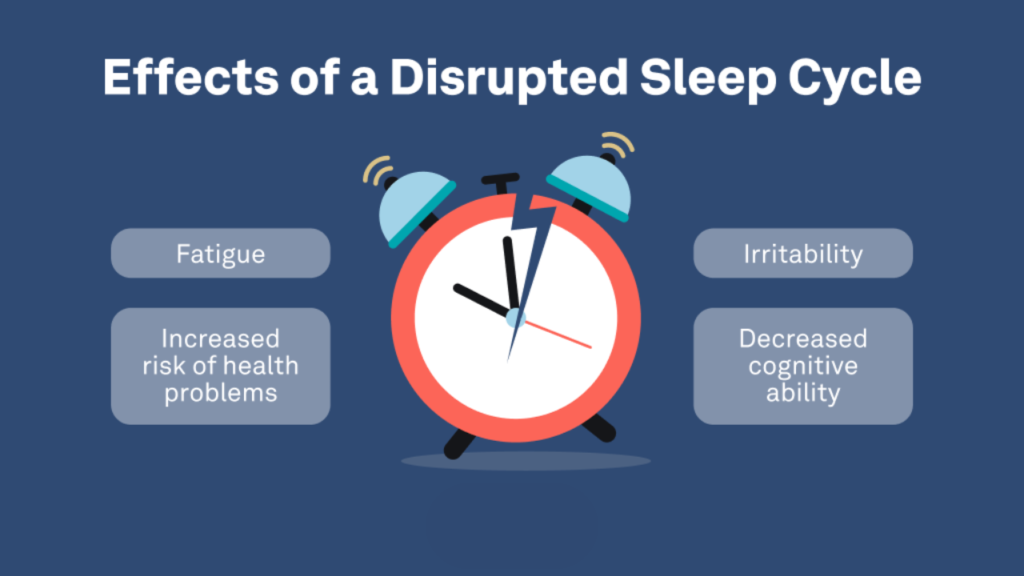
We’ve all been there—staring at the ceiling at 2:00 AM, knowing your alarm is going to scream in just a few hours. Whether it’s due to jet lag, a late-night Netflix binge, or a hectic work week, a “broken” internal clock can leave you feeling like a zombie. If you’re struggling with daytime fatigue and nighttime alertness, you need to learn how to fix sleep schedule issues before they impact your long-term health.
The good news? Your body’s internal clock, or circadian rhythm, is highly responsive to external cues. By strategically manipulating light, food, and movement, you can “force” your body to reset. You don’t need a miracle pill; you need a system.
In this guide, we’ll break down the science-backed methods to reclaim your nights and wake up feeling refreshed.
Key Takeaways
- Light is the Master Controller: Exposure to morning sunlight is the fastest way to signal to your brain that the day has begun.
- The “All-Nighter” Myth: While tempting, staying awake for 24 hours often leads to a “rebound” effect that makes the problem worse.
- Meal Timing Matters: Eating at consistent times helps anchor your peripheral clocks in your digestive system.
- The 15-Minute Rule: Adjust your wake-up time in small, 15-minute increments rather than trying to shift your entire schedule overnight.
- Temperature Control: A drop in core body temperature is the biological trigger for sleep onset.
1. Leverage Light Therapy
Your brain’s master clock, the suprachiasmatic nucleus (SCN), relies almost entirely on light to determine when you should be awake. If you want to know how to fix sleep schedule problems, you must master your lighting.
Seek Morning Sun
Within 30 minutes of waking up, get outside. Natural sunlight is significantly brighter than indoor bulbs and suppresses melatonin production while boosting cortisol to wake you up. Aim for 10–20 minutes of exposure.
Eliminate Blue Light at Night
In the two hours before bed, blue light from phones and laptops is your enemy. It tricks your brain into thinking it’s mid-day. Use “Night Mode” on your devices or, better yet, swap the screen for a physical book.
Read Also: How to Stop Anxiety
2. The Power of “Anchoring” Your Wake-Up Time
The biggest mistake people make is focusing on the time they go to bed. In reality, your sleep schedule is governed by the time you wake up.
- No More Snooze: Even if you had a terrible night, get up at your target time. This builds “sleep pressure,” making it easier to fall asleep the following night.
- Consistency Wins: Keep your wake-up time within a 60-minute window, even on weekends. Sleeping in on Sunday creates “social jet lag” that ruins your Monday morning.
Sleep Reset Strategies Comparison
| Strategy | Effectiveness | Difficulty | Best For |
| Incremental Shifting | High | Easy | Long-term habit changes |
| Light Therapy | Very High | Medium | Jet lag or seasonal shifts |
| Melatonin Supplement | Moderate | Easy | Short-term “resetting” |
| Exercise Timing | High | Medium | Deepening sleep quality |
| Fast/Feast Method | Moderate | Hard | Significant time-zone changes |
3. Optimize Your Pre-Sleep Environment
You can’t expect to flip a switch from “stressed” to “asleep.” You need a “buffer zone” to help your nervous system wind down.
The Temperature Drop
Your body needs to drop its core temperature by about 2°F (1°C) to fall asleep. Keep your bedroom cool—ideally around 65°F (18°C). A warm bath before bed can actually help; when you step out, your body rapidly cools, triggering the sleep signal.
Caffeine and Alcohol Cutoffs
- Caffeine: It has a half-life of 6 hours. If you want to sleep by 10:00 PM, your last cup should be at noon.
- Alcohol: It might make you drowsy, but it prevents you from entering REM sleep, ensuring you wake up feeling unrefreshed.
4. Use Melatonin Strategically
While we usually advocate for natural fixes, short-term use of melatonin can be a helpful tool for how to fix sleep schedule issues—if used correctly.
Most people take too much, too late. For a schedule reset, a small dose (0.5mg to 3mg) taken 90 minutes before your target bedtime can shift your rhythm. Think of it as a “dimmer switch” for the brain, not a hammer.
5. Movement and Metabolic Anchors
Your sleep isn’t just about your brain; it’s about your whole body.
- Early Exercise: Physical activity in the morning or afternoon increases your core temperature, which later leads to a steeper drop at night, aiding sleep.
- Consistent Meals: Try to eat your first and last meals at the same time every day. This prevents your digestive system from keeping you awake with “midnight hunger.”
Conclusion
Learning how to fix sleep schedule imbalances takes discipline, but the reward is a massive increase in your energy and mood. Focus on morning light, stick to a rigid wake-up time, and cool down your environment. Within 3 to 7 days, your body will naturally begin to crave sleep at the right time.
Would you like me to find a list of the best-rated sunrise alarm clocks to help make your new wake-up time easier?
Frequently Asked Questions (FAQ)
Q: How long does it take to fix a sleep schedule?
A: For most people, it takes about one day for every hour you need to shift. If you are 3 hours off, expect it to take 3 to 4 days of strict adherence to your new routine to feel normal.
Q: Should I pull an all-nighter to reset my clock?
A: Generally, no. All-nighters create massive cognitive impairment and often result in you crashing at 4:00 PM the next day, which further confuses your internal clock. It’s better to wake up early and push through the “tired” day.
Q: Does “catching up” on sleep on weekends help?
A: No. This actually causes social jet lag. It prevents your body from establishing a consistent rhythm, making Sunday night insomnia and “Monday Blues” almost inevitable.
Q: Can I fix my sleep schedule if I work night shifts?
A: Yes, but you must be even stricter with light. Use blackout curtains during the day and wear blue-light-blocking glasses on your commute home to prevent the morning sun from waking up your brain before you hit the pillow.