
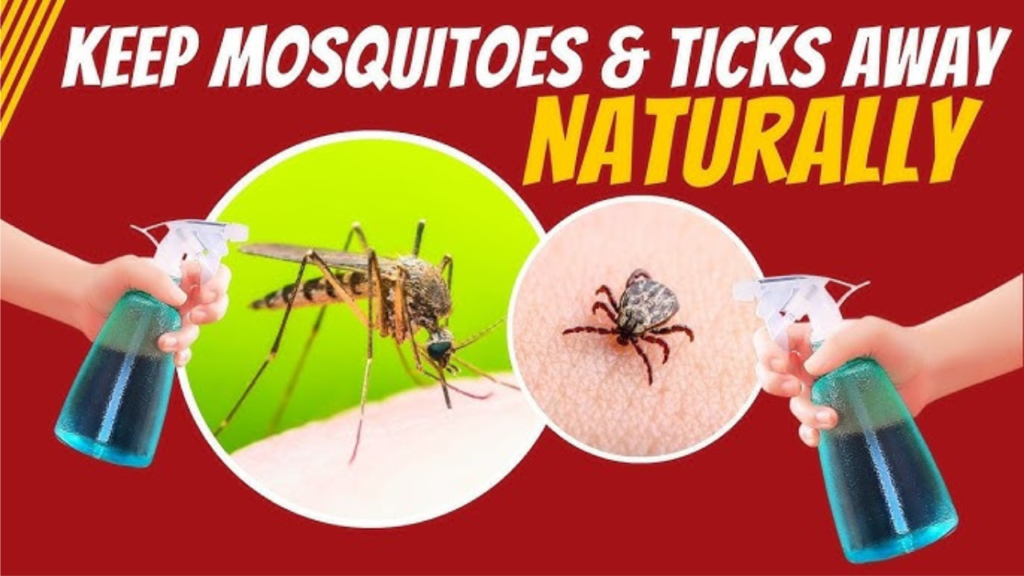
Few things ruin a backyard BBQ or a peaceful evening on the porch faster than the high-pitched whine of a mosquito. These uninvited guests aren’t just annoying; their itchy bites can carry serious diseases, making them the world’s deadliest animals. If you’ve been wondering how to keep mosquitoes away without dousing yourself in sticky chemicals, you aren’t alone.
In 2026, we’ve moved beyond simple citronella candles. From advanced spatial repellents to ecological yard management, there are science-backed ways to create a “no-fly zone” around your home.
In this guide, I’ll share the most effective strategies for protecting your skin and your property so you can finally enjoy the outdoors again.
Key Takeaways
- Eliminate Standing Water: Mosquitoes breed in as little as a bottle cap of water; check gutters and saucers weekly.
- Choose the Right Repellent: DEET, Picaridin, and Oil of Lemon Eucalyptus are the gold standards for personal protection.
- Airflow is an Enemy: A simple oscillating fan can effectively keep mosquitoes away from your seating area.
- Landscaping Matters: Certain plants can help, but clear brush and tall grass are more important for reducing harborages.
- Timing is Everything: Mosquitoes are most active at dawn and dusk; plan your outdoor activities accordingly.
1. Personal Protection: What Actually Works?
When it comes to your skin, not all “natural” remedies are created equal. If you want to know how to keep mosquitoes away effectively, you need to look at the active ingredients.
The Big Three Repellents
According to the CDC and EPA, three specific ingredients provide the most reliable protection:
- DEET: The classic choice. It is highly effective and has been used safely for decades.
- Picaridin: A synthetic version of a compound found in pepper plants. It’s odorless, non-greasy, and won’t damage plastics or synthetic fabrics.
- Oil of Lemon Eucalyptus (OLE): The strongest plant-based option. Note that OLE is different from “Lemon Eucalyptus Essential Oil.”
Read Also: How to Tell if You Have Sleep Apnea
Treat Your Clothes
If you’re hiking or camping, consider treating your gear with Permethrin. This insecticide is applied to clothing (not skin) and remains effective through several washes, killing mosquitoes on contact.
Mosquito Repellent Comparison Table
| Repellent Type | Duration | Best For | Scent/Feel |
| DEET (30%) | 6–8 Hours | Heavy Infestations | Strong scent; oily feel |
| Picaridin (20%) | 8–12 Hours | Daily use; Kids | Odorless; clean feel |
| Oil of Lemon Eucalyptus | 4–6 Hours | Natural preference | Strong citrus scent |
| Citronella Candles | Variable | Small, still areas | Pleasant; low efficacy |
2. Yard Management: Stop the Swarm at the Source
You can spray yourself all day, but if your yard is a breeding ground, you’ll never win the war. The goal is to disrupt the mosquito life cycle.
Tip the Water
Mosquitoes lay eggs in stagnant water. Walk your property every few days and empty:
- Flowerpot saucers and birdbaths.
- Clogged rain gutters.
- Old tires or tarps.
- Kids’ toys and kiddy pools.
The Fan Trick
Mosquitoes are notoriously weak fliers. If you are sitting on a patio, a large outdoor fan is one of the most underrated ways to keep mosquitoes away. The breeze makes it physically impossible for them to land on you and also disperses the carbon dioxide you exhale, which is how they track you down.
3. Advanced 2026 Tech: Spatial Repellents
In 2026, many homeowners are opting for spatial repellents like Thermacell. These devices heat a small mat saturated with allethrin (a synthetic version of a natural repellent found in chrysanthemums). They create a 15-to-20-foot “shield” that is much more effective than traditional coils or candles.
4. Landscaping for Mosquito Control
Can plants really help? While “mosquito-repelling plants” like lavender, marigolds, and lemongrass smell great, they don’t provide much protection just by sitting in a pot. You would need to crush the leaves to release the oils.
Instead, focus on structural landscaping:
- Keep grass short: Mosquitoes hide in tall, cool grass during the heat of the day.
- Thin out dense shrubbery: Increasing sunlight and airflow makes your yard less attractive to bugs.
- Attract natural predators: Installing a bat house or a birdhouse for Purple Martins can help reduce the local population naturally.
Conclusion
Learning how to keep mosquitoes away is about using a multi-layered defense. Start by drying up the breeding spots in your yard, use a high-quality repellent like Picaridin for personal protection, and keep a fan running during your evening gatherings. By combining these methods, you can turn your backyard back into a sanctuary.
Would you like me to recommend the best EPA-approved repellents for toddlers and children to ensure their safety this summer?
FAQ Section
Q: Does “skin-so-soft” or vinegar work to keep mosquitoes away?
A: While these are popular “hacks,” they are significantly less effective than EPA-registered repellents. Vinegar has little to no effect, and while some oils provide protection for 10–20 minutes, they fail to provide the long-lasting coverage needed to prevent bites.
Q: Why do mosquitoes bite me more than others?
A: Mosquitoes are attracted to Carbon Dioxide (CO2), body heat, and certain chemicals in your sweat (like lactic acid). Some people also have a specific skin microbiome that produces scents that mosquitoes find more “delicious” than others.
Q: Are ultrasonic mosquito repellers effective?
A: No. Numerous scientific studies have proven that ultrasonic devices—which claim to use high-frequency sound to scare away bugs—simply do not work. Save your money and stick to physical or chemical barriers.
Q: Do mosquito “misting systems” harm bees?
A: Unfortunately, many automatic misting systems use broad-spectrum insecticides that can kill beneficial pollinators like bees and butterflies. If you use a professional service, ask for “larvicides” that target mosquitoes specifically in the water stage rather than adulticides that coat your flowers.