
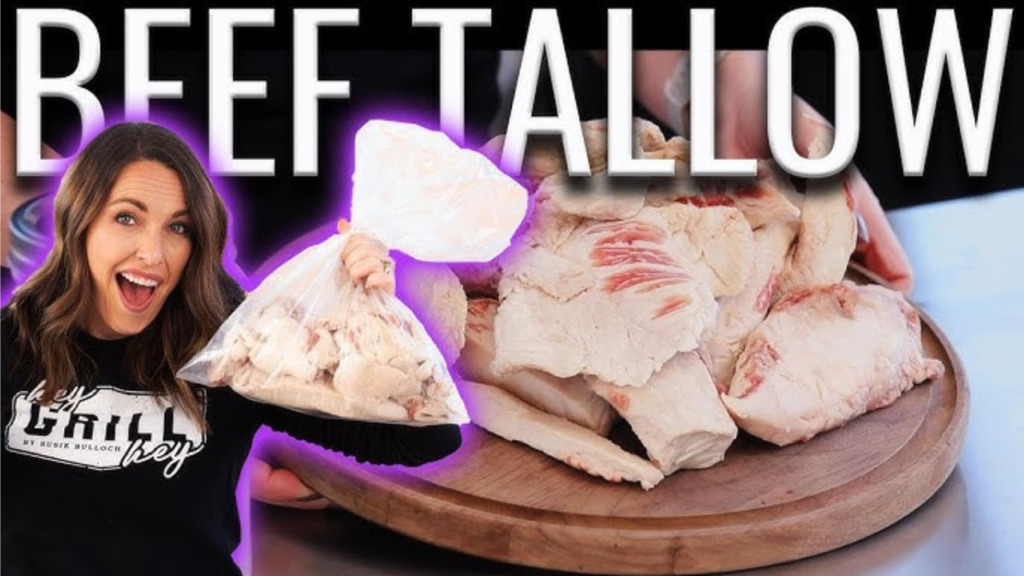
Have you ever wondered how our ancestors managed to cook, preserve food, and even make skincare without a single trip to a modern grocery store? The secret was tallow. This nutrient-dense, shelf-stable fat is making a massive comeback in 2026 as people ditch industrial seed oils for traditional, “nose-to-tail” ingredients.
Learning how to make tallow is surprisingly simple, yet it feels like a superpower. By transforming raw beef suet—which many butchers often give away for next to nothing—into liquid gold, you gain a high-smoke-point cooking oil and a powerhouse base for natural moisturizers.
In this guide, I’ll walk you through the “wet” and “dry” rendering methods so you can produce pristine, odorless tallow right in your own kitchen.
Key Takeaways
- Source Quality: Use grass-fed beef suet (the hard fat around the kidneys) for the highest vitamin content and best stability.
- Low and Slow: High heat will scorch the fat, giving it a “beefy” smell. Patience is your best friend.
- The Wet Method: Adding water and salt helps “wash” the impurities out, resulting in a snow-white, odorless finish.
- Shelf Life: Properly rendered tallow can last for a year at room temperature or even longer in the fridge.
- Zero Waste: The leftover crispy bits (cracklings) make a delicious, salty snack or salad topper.
1. What Exactly is Tallow?
Before we dive into the process, let’s clarify the terminology. Tallow is rendered beef fat. Specifically, it comes from suet, which is the hard, white fat found around the animal’s internal organs.
Unlike the soft trimmings found on a steak, suet is highly saturated and yields a firm, waxy fat that doesn’t go rancid easily. It is packed with fat-soluble vitamins like A, D, E, and K, making it as good for your skin as it is for your cast-iron skillet.
2. Preparation: The Secret to a Fast Render
If you want to know how to make tallow without spending 12 hours over a stove, you need to maximize the surface area of the fat.
- Step 1: Chill the Fat. It is much easier to cut suet when it is very cold or slightly frozen.
- Step 2: Remove the “Red.” Trim away any bits of meat or blood. These are what cause tallow to spoil.
- Step 3: Grind or Dice. Run the fat through a food processor or a meat grinder until it looks like snow. If you don’t have one, dice it into tiny 1/4-inch cubes.
Read Also: How to Pair AirPods Max
3. The Two Rendering Methods
Most home cooks choose between the Dry Method and the Wet Method. While the dry method is faster, the wet method produces the purest results.
The Wet Method (Recommended for Skincare)
- Place your ground fat into a slow cooker or a heavy-bottomed pot.
- Add 2 cups of water and 2 tablespoons of sea salt. The salt draws out impurities.
- Set the heat to low. You want a gentle simmer, never a rolling boil.
- Once the fat has melted and the “cracklings” turn golden brown, strain the liquid through a fine-mesh sieve lined with cheesecloth.
- Let it cool in a bowl. The tallow will harden into a white puck on top, and the dirty water will stay at the bottom.
The Dry Method (Best for Cooking)
- Place ground fat in a pot over low heat—no water added.
- Stir occasionally to prevent the bottom from scorching.
- Once the liquid is clear and the solids are crispy, strain immediately into glass jars.
Tallow Rendering Comparison Table
| Feature | Wet Rendering | Dry Rendering |
| Purity | High (Odorless and White) | Moderate (Slightly “Beefy”) |
| Effort | More involved (Requires separating water) | Simple and Direct |
| Best For | Face balms, soaps, and lotions | Frying, roasting, and pie crusts |
| Color | Snow White | Creamy or Light Yellow |
4. Troubleshooting: Why is my tallow yellow?
If your tallow has a yellow tint or a strong beef smell, one of two things happened:
- The Temperature was too high: You lightly “fried” the fat instead of rendering it.
- The Cow’s Diet: Tallow from 100% grass-fed cows is often naturally more yellow because it contains higher levels of beta-carotene.
5. Storing Your Liquid Gold
Tallow is incredibly stable. Once it has cooled and solidified, store it in glass Mason jars.
- Room Temperature: 6–12 months (if kept in a dark, cool pantry).
- Refrigerator: 12–18 months.
- Freezer: Practically indefinitely.
Conclusion
Knowing how to make tallow is an essential skill for anyone looking to live more sustainably and eat more healthily. It is the ultimate kitchen multi-tasker—use it to sear the perfect steak, roast the crispest potatoes you’ve ever tasted, or whip it into a luxurious body butter. Once you see how easy and affordable it is to make, you’ll never go back to bottled oils.
Would you like me to share a simple recipe for turning your fresh tallow into a lavender-infused face balm?
FAQ Section
Q: Can I make tallow from steak trimmings?
A: Yes, but it won’t be as firm or “pure” as tallow made from suet. Trimmings from steaks contain more muscle tissue and “soft” fats, which results in a softer tallow that is better suited for cooking than for skincare.
Q: Does tallow smell like beef?
A: If rendered correctly using the wet method and low heat, tallow should be virtually odorless. If it smells like a burger, it usually means the fat was scorched during the rendering process or not strained well enough.
Q: Is tallow healthier than vegetable oil?
A: Many nutritionists in 2026 advocate for tallow because it is a stable, saturated fat that doesn’t oxidize at high temperatures. Unlike many seed oils, it is processed without harsh chemicals or hexane.
Q: What are “cracklings”?
A: Cracklings are the small bits of connective tissue and protein that remain after the fat has melted away. They are a traditional delicacy! Season them with salt and pepper for a zero-waste snack.