
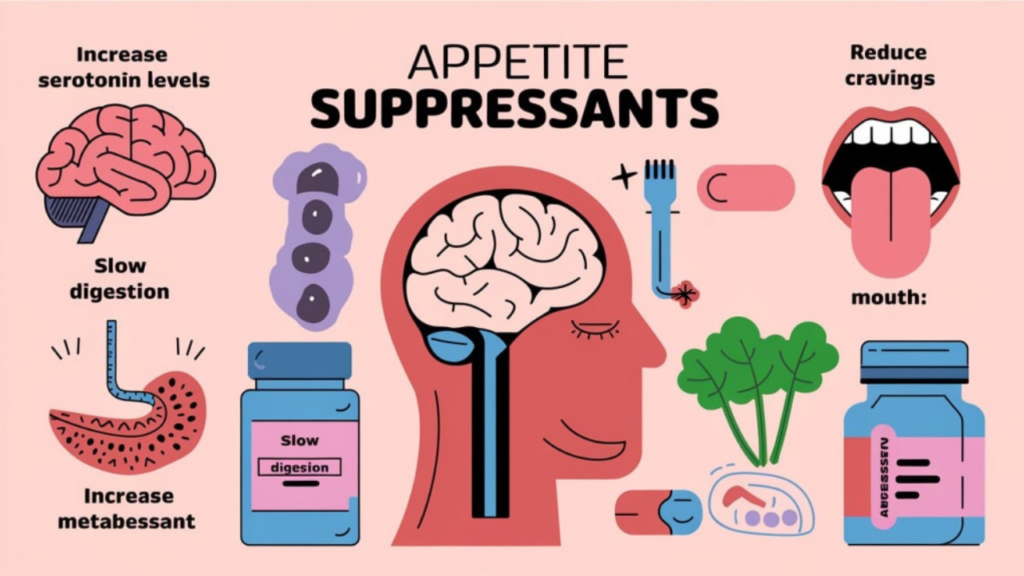
We’ve all been there: you finished a balanced meal an hour ago, yet your stomach is already growling for a snack. Dealing with constant hunger can make weight management feel like an uphill battle. If you feel like your cravings are in the driver’s seat, it’s time to take back control.
Learning how to suppress appetite isn’t about starvation or extreme willpower. It’s about understanding the hormones—like ghrelin and leptin—that signal hunger to your brain. By making strategic tweaks to your diet, hydration, and lifestyle, you can quiet the noise of “fake hunger” and feel satisfied longer.
In this guide, we will explore the most effective, science-backed methods to curb your cravings and keep your appetite in check throughout the day.
Key Takeaways
- Prioritize Protein: Protein is the most satiating macronutrient and significantly reduces the hunger hormone, ghrelin.
- Eat More Soluble Fiber: Fiber slows down digestion and creates a physical “fullness” in the stomach.
- Hydration is Crucial: The brain often confuses thirst with hunger; drinking water before meals can reduce calorie intake.
- Mindful Eating: Slowing down allows your brain enough time to receive “fullness” signals from the gut.
- Sleep for Stability: Sleep deprivation spikes hunger hormones and leads to intense sugar cravings.
1. Optimize Your Macronutrients for Satiety
Not all calories are created equal when it comes to keeping you full. If you want to know how to suppress appetite effectively, look at your plate.
The Power of Protein
High-protein diets increase the production of satiety hormones like GLP-1 and cholecystokinin. Research consistently shows that people who eat more protein consume fewer calories throughout the rest of the day.
- Sources: Eggs, Greek yogurt, chicken breast, lentils, and lean beef.
Don’t Fear Healthy Fats
While fats are calorie-dense, they trigger the release of leptin, the hormone that tells your brain you are full. Adding a small amount of healthy fat to a meal prevents the “blood sugar crash” that leads to mid-afternoon snacking.
- Sources: Avocados, nuts, seeds, and olive oil.
Read Also: How to Get Rid of a Hangover
2. Leverage Volume Eating with Fiber
Fiber is your secret weapon for appetite control. Because the human body cannot digest fiber, it adds bulk to your meals without adding calories.
- Soluble Fiber: This type of fiber turns into a gel-like substance in your gut, slowing down the absorption of sugar and keeping insulin levels stable.
- The “Pre-Load” Strategy: Eating a large salad or a bowl of vegetable soup before your main course fills your stomach with low-calorie volume, making it physically difficult to overeat.
Appetite Suppression Methods Comparison
| Strategy | Primary Mechanism | Ease of Use | Duration of Effect |
| High Protein Diet | Hormonal (Ghrelin reduction) | Easy | Long-Term |
| Drinking Water | Physical (Stomach distension) | Very Easy | Short-Term |
| Soluble Fiber | Digestive (Slowing gastric emptying) | Medium | Moderate |
| Quality Sleep | Hormonal (Cortisol/Leptin balance) | Medium | Long-Term |
| Black Coffee | Metabolic (PYY release) | Easy | Short-Term |
3. The Role of Hydration and Specific Beverages
Sometimes, the simplest way to how to suppress appetite is to reach for a glass.
Water Pre-Loading
A study published in Obesity found that drinking 500ml (about 17oz) of water 30 minutes before a meal helped participants lose 44% more weight over 12 weeks. The water stretches the stomach, sending early signals of fullness to the brain.
Coffee and Tea
Coffee isn’t just for energy; it may also help curb hunger. Coffee increases the release of Peptide YY (PYY), a hormone produced in the gut that tells the brain you’ve had enough to eat. Green tea, rich in catechins, offers similar benefits by helping to stabilize blood sugar.
4. Manage Your Stress and Sleep
Appetite isn’t just about what happens in your stomach; it’s about what happens in your brain.
- Lower Cortisol: Chronic stress keeps cortisol levels high, which directly increases appetite and promotes fat storage in the abdominal area.
- Prioritize Sleep: Just one night of poor sleep can increase ghrelin (the hunger hormone) and decrease leptin (the fullness hormone). This is why you crave donuts and pizza when you’re tired.
5. Eat Mindfully and Avoid Distractions
It takes about 20 minutes for your stomach to tell your brain that it’s full. If you inhale your lunch while scrolling through your phone, you will likely overeat before those signals ever arrive.
- Chew thoroughly: This increases the surface area of food for digestion and slows the pace of the meal.
- Turn off the TV: Distracted eating is a leading cause of “passive overconsumption.”
- Use smaller plates: This is a psychological trick that makes a portion look larger, satisfying the “eyes” as well as the stomach.
Conclusion
Mastering how to suppress appetite is about working with your body’s biology rather than against it. By focusing on protein-dense meals, staying hydrated, and managing your stress levels, you can significantly reduce those nagging cravings. Remember, the goal is to feel nourished and energized, not deprived.
Would you like me to find a list of the most effective high-fiber foods to add to your grocery list this week?
Frequently Asked Questions (FAQ)
Q: Are there natural supplements that suppress appetite?
A: Yes, some natural substances can help. Glucomannan (a type of fiber from the konjac root) and Fenugreek have shown promise in slowing digestion and increasing fullness. However, these work best when paired with a healthy diet.
Q: Does apple cider vinegar suppress appetite?
A: Some studies suggest that the acetic acid in apple cider vinegar can slow down the rate at which food leaves the stomach (gastric emptying). This can help you feel full for a longer period, though the effect is usually modest.
Q: Why am I always hungry even after eating?
A: This is often caused by a diet too high in refined carbohydrates. Simple sugars cause an insulin spike followed by a rapid crash, which triggers the brain to demand more energy immediately. Switching to complex carbs and protein usually fixes this.
Q: Does gum chewing help reduce hunger?
A: For some, chewing sugar-free gum can reduce the urge to snack by providing oral stimulation. However, for others, the act of chewing signals the stomach to prepare for food, which can actually increase hunger pangs.