It is the most natural thing in the world, yet most of us are doing it wrong. We take about 20,000 breaths a day, but few of us stop to consider how to breathe in a way that actually supports our health, reduces stress, and boosts our energy. Learning how to properly breathe is not just about keeping oxygen flowing; it is about mastering the bridge between your body and your mind.
In 2026, as stress levels and environmental challenges rise, understanding breathing techniques has moved from the yoga studio to the mainstream. Whether you are an athlete looking for the best breathing for performance or someone simply asking, “how do i breathe properly to stop feeling anxious?”, this guide will show you how to breathe correctly for every situation.
Key Takeaways
- Nose Over Mouth: The nose is designed for breathing; the mouth is for eating. Always favor nasal breathing.
- The Diaphragm is Key: Learning how to breathe properly means moving the air deep into your belly, not just your chest.
- Slow is Smooth: Reducing your breath rate can instantly lower your heart rate and cortisol levels.
- The Posture Connection: You cannot learn how to breathe better if your ribcage is collapsed or your shoulders are hunched.
- Consistency Wins: Practicing breathing techniques for just five minutes a day can lead to long-term neurological changes.
Read Also: How to Do a Parasite Cleanse
1. What is Proper Breathing?
Most people believe that breathing is a passive process that doesn’t require thought. However, “dysfunctional breathing”—often characterized by shallow chest breaths and mouth breathing—is a common contributor to fatigue and chronic neck pain.
How to breathe correctly starts with the diaphragm. This dome-shaped muscle sits at the base of your lungs. When you breathe in properly, the diaphragm should contract and move downward, pushing your belly out. If only your shoulders and chest are moving, you aren’t getting the best breathing efficiency possible.
2. How to Breathe Properly: The Foundational Steps
If you want to know how to breathe better, you must first unlearn the habit of “vertical breathing” (chest breathing). Follow these steps to reset your natural rhythm:
Use Your Nose
Your nose acts as a filter, humidifier, and temperature regulator for the air. It also produces nitric oxide, which helps dilate blood vessels and improve oxygen uptake. How to properly breathe means keeping your mouth closed whenever possible.
Expand Your Belly
Place one hand on your chest and one on your belly. As you inhale through your nose, the hand on your belly should move out, while the hand on your chest remains relatively still. This is often called “diaphragmatic breathing” or “belly breathing.”
Exhale Longer Than You Inhale
To activate your parasympathetic nervous system (the “rest and digest” mode), make your exhales longer than your inhales. For example, breathe in for 4 seconds and out for 6 seconds. This is a fundamental breathing technique for stress management.
The Best Breathing Techniques for Every Goal
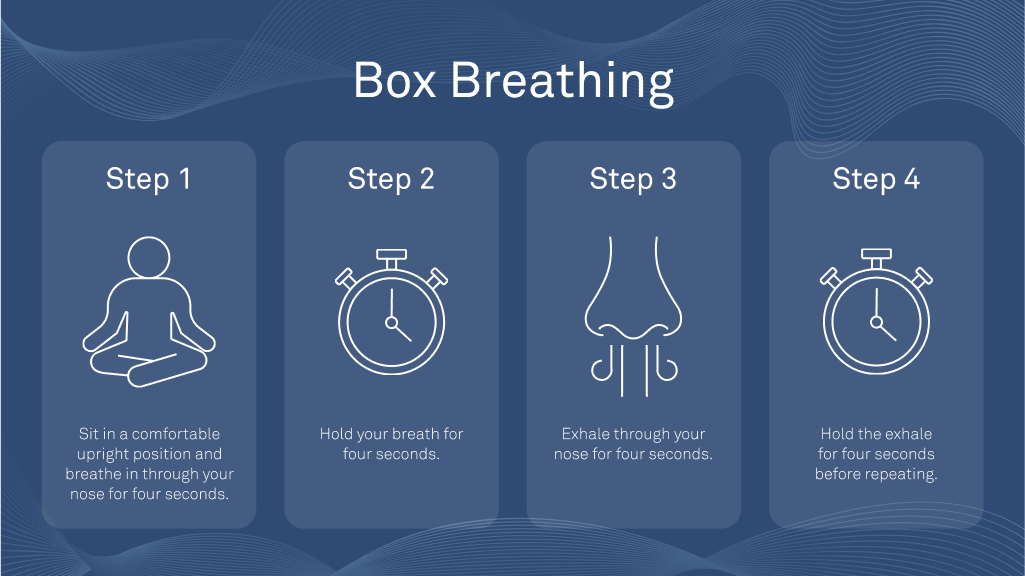
- For Anxiety (Box Breathing): Inhale for 4, hold for 4, exhale for 4, hold for 4. This is a favorite among elite performers to stay calm under pressure.
- For Energy (The Breath of Fire): Rapid, forceful exhales through the nose while pulling the navel in, followed by passive inhales.
- For Sleep (The 4-7-8 Technique): Inhale for 4, hold for 7, and exhale through the mouth with a “whoosh” sound for 8 seconds. This is one of the most effective breathing techniques to shut off a racing mind.
- For Focus (Alternate Nostril Breathing): Using your thumb and ring finger to alternate which nostril you breathe through. This helps balance the left and right hemispheres of the brain.
3. How to Breathe Correctly During Exercise
Many people struggle with how do i breathe properly when they are running or lifting weights.
- Cardio: Try to maintain a “rhythmic” breath. For example, breathe in for three steps and out for two steps. This prevents you from taking gasping, shallow breaths.
- Strength Training: Exhale on the exertion. If you are doing a push-up, you should exhale as you push away from the floor. This stabilizes your core and protects your spine.
4. Common Obstacles to Better Breathing
Knowing how to breathe is easy; doing it consistently is hard.
- Tigh Clothing: Belts or tight waistbands can physically prevent your diaphragm from moving.
- Stress: When we are stressed, our body naturally reverts to shallow chest breathing. You must consciously intervene to break this cycle.
- Poor Posture: If you are hunched over a laptop, your lungs don’t have the space to expand. Learning how to breathe properly often requires improving your spinal alignment first.
5. The Benefits of Learning How to Breathe Better
When you master how to properly breathe, the benefits ripple through your entire life:
- Lower Blood Pressure: Rhythmic breathing helps regulate the heart and vascular system.
- Better Digestion: The movement of the diaphragm massages your internal organs, aiding in motility.
- Mental Clarity: Proper oxygen-CO2 balance in the blood ensures your brain has the fuel it needs to think clearly.
- Reduced Inflammation: Deep breathing can help lower the body’s inflammatory markers over time.
Conclusion
Learning how to breathe is the most basic, yet most profound, health hack available to us. By shifting from shallow mouth-breathing to deep, diaphragmatic nasal-breathing, you change the chemical state of your body. Whether you are using breathing techniques to fall asleep or simply trying to figure out how to breathe better during a busy workday, remember that your breath is an anchor. Master the breath, and you master the mind.
Would you like me to guide you through a 5-minute “Box Breathing” session right now to help you reset your nervous system?
FAQ Section
Q: Why do I feel dizzy when I try deep breathing?
A: This often happens if you are “over-breathing” or taking in too much oxygen too quickly. If you feel lightheaded, slow down your exhales and take a break. Learning how to breathe properly takes time for your body to adjust to new CO2 levels.
Q: Is mouth breathing always bad?
A: Generally, yes. While mouth breathing is necessary during extremely high-intensity exercise or if you have a severe nasal blockage, nasal breathing is the “correct” way for the body to function.
Q: Can breathing techniques help with chronic pain?
A: Yes. Deep breathing can help interrupt pain signals to the brain and reduce the muscle tension that often accompanies chronic pain. It is a cornerstone of many holistic pain management programs.
Q: How do I know if I am breathing with my diaphragm?
A: Lie on your back with a book on your belly. If the book rises as you breathe in and falls as you breathe out, you are using your diaphragm. If only your chest is moving the book, you need to practice how to properly breathe into your lower torso.